
Why Study Computer Science at Bangor University?
Dr Llyr ap Cenydd is a Lecturer in Computer Science and Engineering at Bangor University in North Wales. He teaches on the creative side of computing, focusing on game design, development, and virtual reality (VR).
“I’ve been a lecturer here for just over ten years,” he says. “I was also a student at Bangor. I did my undergraduate degree in computer science, then went on to do a PhD, and eventually became a lecturer. I’ve been here ever since — I like the place, and I’ve stuck around.”
What Makes Bangor University Unique for Computer Science Students
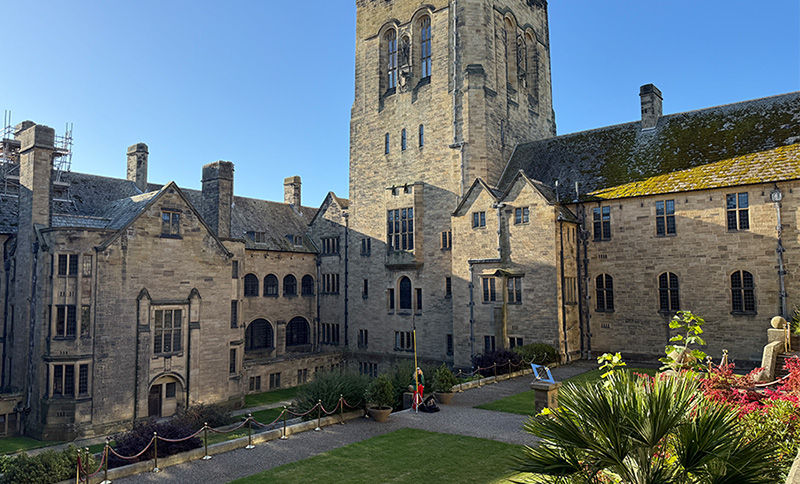
Bangor University’s setting immediately stands out. “We’ve got the mountains and the sea around us — it’s a really nice foundation for learning,” says Llyr.
In the School of Computer Science and Engineering, students benefit from a mix of expertise. “We have specialists in virtual reality, data science, and visualisation,” he explains. “We also work closely with other departments, including electronic engineering, product design, and the Nuclear Futures Institute. It’s a great blend of disciplines.”
The department’s approach is research-led teaching, which means students learn directly from active researchers who are recognised internationally for their work. “Everyone lecturing here is an expert in their field,” Llyr says. “That energy really comes through in the classroom.”
How Bangor Supports International Students
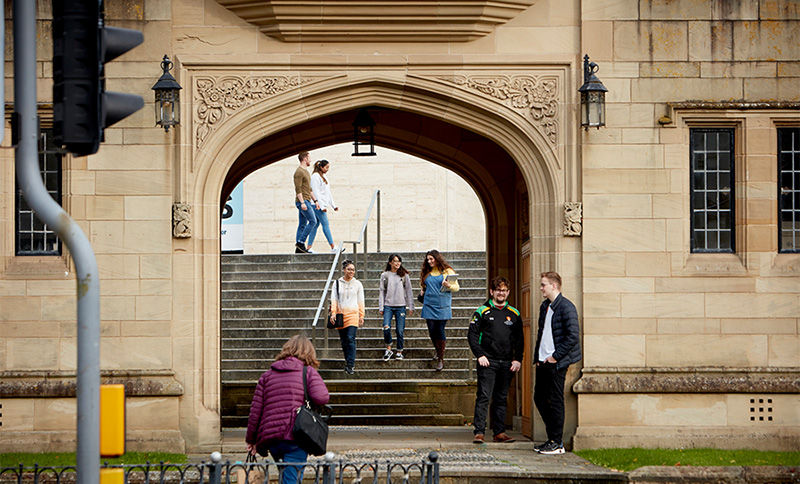
Bangor University is known for its welcoming and supportive atmosphere. “Every student is assigned a personal tutor,” Llyr explains. “Someone like me who they can come to with any questions or problems. Our doors are always open.”
Alongside academic support, students can join study groups, social events, and sports clubs, all of which help new students settle in quickly. “It’s a great community,” he says. “There’s always something happening, and it’s an easy place to feel at home.”
Preparing for the Future of Artificial Intelligence and Virtual Reality

Technology is evolving faster than ever, and Bangor’s computer science courses are built to keep up. “In the last ten years, VR has gone from bulky headsets that hurt your neck to lightweight glasses,” Llyr explains. “That kind of progress is only accelerating.”
He sees AI and machine learning as central to the future of computer science. “AI is a powerful and transformative technology,” he says. “It’s changing every aspect of how we live and work, and preparing students for that future is essential. Computer science is the foundation of AI — it’s where it all began.”
Discover Ocean Rift: From Bangor Research to Global Recognition
One of Llyr’s most notable projects is Ocean Rift, a pioneering virtual reality experience that began as a research experiment. “It started as something I was working on in my spare time,” he recalls. “I wanted to see if VR could make someone feel like they were underwater.”
The result exceeded expectations. “It turned into one of the first major VR experiences that people shared with each other,” he says. “It even launched with the Oculus Go headset and has been available on pretty much every major VR platform since.”
Ocean Rift lets users explore an underwater world filled with dolphins, whales, sharks, and even prehistoric creatures. “What makes it unique is that the animals are driven by AI,” Llyr explains. “They respond to you and move in a way that feels alive. That’s what makes the experience special.”

Ocean Rift allows you to experience swimming with dolphins and other sea creatures
Advice for Future Computer Science Students
Llyr believes flexibility is key to success in computer science. “It’s a broad subject, and by the time you graduate, there will be new fields that don’t even exist yet,” he says. “In your first year, everyone follows the same path, but later you get to choose modules and projects that interest you most. Over time, you’ll discover what you love and find your own direction.”
Watch the video below to hear from Dr Llyr ap Cenydd, Lecturer in Computer Science and Engineering at Bangor University, and learn how Bangor prepares students for the future of technology, AI, and virtual reality.
Related Posts

Why Study Nursing Abroad: Best Countries, Programs, and Career Prospects
If you're weighing up a nursing degree abroad, you've probably already noticed there isn't much honest information out there. University web...

Top 10 Reasons to Study in China as an International Student
China is now firmly established as a global study destination, attracting international students who are looking for strong academics, good...

Why Study in Canada? Top Reasons for International Students
Studying in Canada has become one of the most popular choices for international students, and for good reason. With a reputation for academi...

Why Study in Wales: Top Reasons for International Students
Studying in the UK is a dream for many international students, and for good reason. While cities like London often steal the spotlight, ther...